Perspectives · The fractional model
Fractional CMO vs. full-time CMO: the real math at $5M to $30M.
Real year-one costs, time to shipped output, and who actually owns execution. The comparison I walk founders through, honest caveats about my own category included.
Todd Henderson
/
October 2026
/
5 minute read
For most companies between $5M and $30M, a fractional CMO delivers senior marketing leadership at a fraction of the $400K-plus first-year cost of a full-time hire, and starts producing in weeks instead of quarters. The exception is when you need a full-time executive to build and manage a large internal team. The comparison below is the math I walk founders through, with the honest caveats about my own category included.
Key takeaways
- A full-time CMO costs $400K or more in year one fully loaded, and typically needs six months before you see market-facing output.
- Most fractional CMOs charge $5,000 to $15,000 per month, but many are strategists only: you get the deck, and execution stays on your desk.
- The right comparison is not title versus title. It is shipped, market-facing work per dollar.
- An embedded fractional model with a specialist bench and AI agents produces department-scale output from week one at the cost of a senior hire.
What does a full-time CMO really cost?
The salary line says $250K to $300K. The real number is higher. Add benefits, equity, recruiting fees, and six months of ramp before you see output. Call it $400K for year one. Now add the risk nobody prices: most CMOs are specialists wearing a generalist title. You hire the brand person and discover you needed demand gen. The average CMO tenure is under two years, and at your stage a mis-hire costs more than money. It costs the market window.
And even a great full-time hire does not arrive with a team. They arrive alone, into a company that has no marketing department, and spend their first two quarters recruiting, onboarding vendors, and building the machine they were hired to run. You are paying senior-leader rates for organization-building before you see market-facing output.
What do you actually get from a fractional CMO?
Here is where I have to be honest about my own category. Most fractional CMOs are strategists. They deliver a beautiful deck, attend your Monday call, and disappear when it is time to ship. Someone else still has to execute, and now you are managing that handoff yourself. You bought judgment with no hands attached.
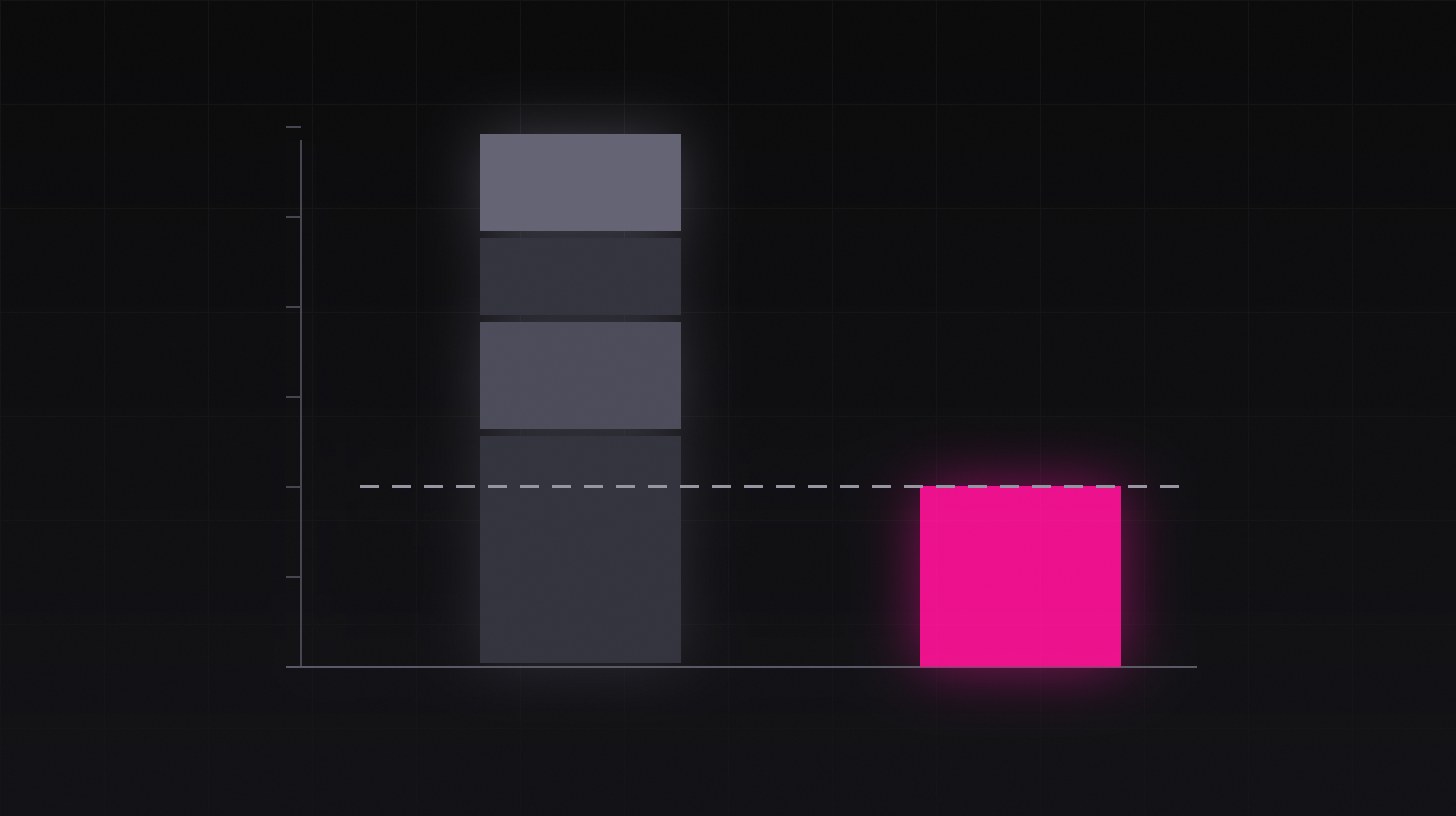
The comparison founders should actually run is not title versus title. It is what each dollar buys in shipped, market-facing work. A full-time hire bundles strategy and ownership but needs a year and a department budget before the output shows up. A strategist-only fractional costs less but leaves the execution problem on your desk.
How do the three options compare?
The model I run is the third column: senior strategy, a human bench of specialists I have worked with for decades, and a deployed team of AI agents that handle the volume work at machine cost. One operator. One invoice. The output of a department at the cost of a senior hire, producing from week one instead of quarter three. I break down what those agents actually do in how AI engines describe your company and the Monday morning brief, and what the first 90 days look like in what a fractional CMO should deliver in the first 90 days.
How should you run the math?
Price your current option fully, including your time spent managing it. Then compare outcomes per dollar, not headcount per dollar. That is the only column that matters. If you are weighing hires instead of leadership, start with your marketing team is not too small, it is under-leveraged.
Frequently asked questions
How much does a fractional CMO cost?
Most fractional CMOs charge between $5,000 and $15,000 per month depending on scope and time commitment, or $60,000 to $180,000 per year. That compares to $400K or more in fully loaded year-one cost for a full-time CMO. The price gap is real, but compare what ships, not what it costs: a strategist-only engagement at $8K per month that produces a deck and no execution can be worse value than either alternative.
Is a fractional CMO cheaper than a full-time hire?
Yes, usually by 50 to 80 percent on an annual basis, and you skip recruiting fees, equity, and severance risk. The honest caveat: cheaper only matters if the work ships. Ask any fractional candidate who executes their strategy, and what you will have in hand at day 90.
When should a $5M to $30M company hire fractional instead of full-time?
Go fractional when you need senior judgment and shipped work now, cannot absorb a $400K bet on a single hire, or do not yet have the team for a full-time executive to lead. Go full-time when marketing is the core of your operating model and you are ready to fund a leader plus the department under them. Many companies use fractional leadership to build the function, then convert to a full-time hire once the machine exists.
About the author
Todd Henderson is a fractional CMO for founder-led companies, pairing 30 years of brand and marketing leadership with a deployed team of AI agents for market intelligence, outbound, reporting, content, and GEO. He is a Co-Founder of Defining.com, the naming and branding agency, and runs his fractional practice as a separate embedded-leadership engagement.